Are Directories Still Making Money in 2027? The MyPeptideMatch Case Study
Yes, directories are still making money.
One of the clearest examples I’ve found this year is MyPeptideMatch.com, an 8-month-old directory of peptide therapy clinics.
The domain was registered on February 18, 2026.
In June, it was getting almost no traffic from Google.
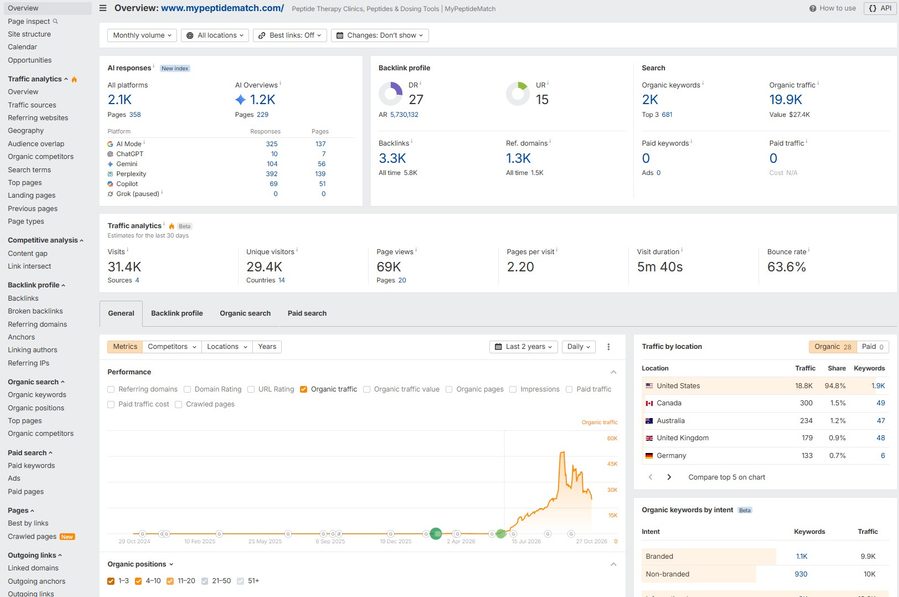
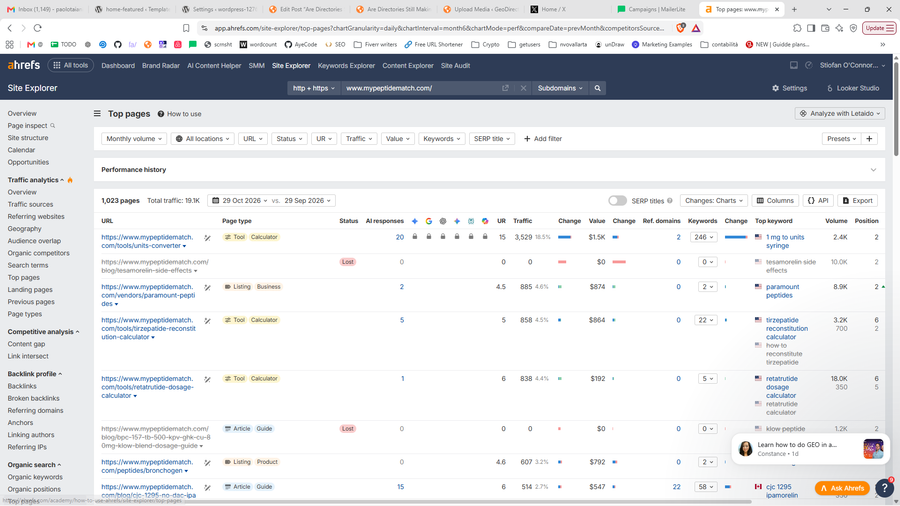
Ahrefs now estimates it gets almost 20,000 organic visitors a month and over 1,000 total visitors a day.
MyPeptideMatch’s estimated organic traffic. Source: Ahrefs (estimate, October 2026).
The directory itself is a standard setup: over 4,700 clinics across the US, searchable by zip code and treatment.
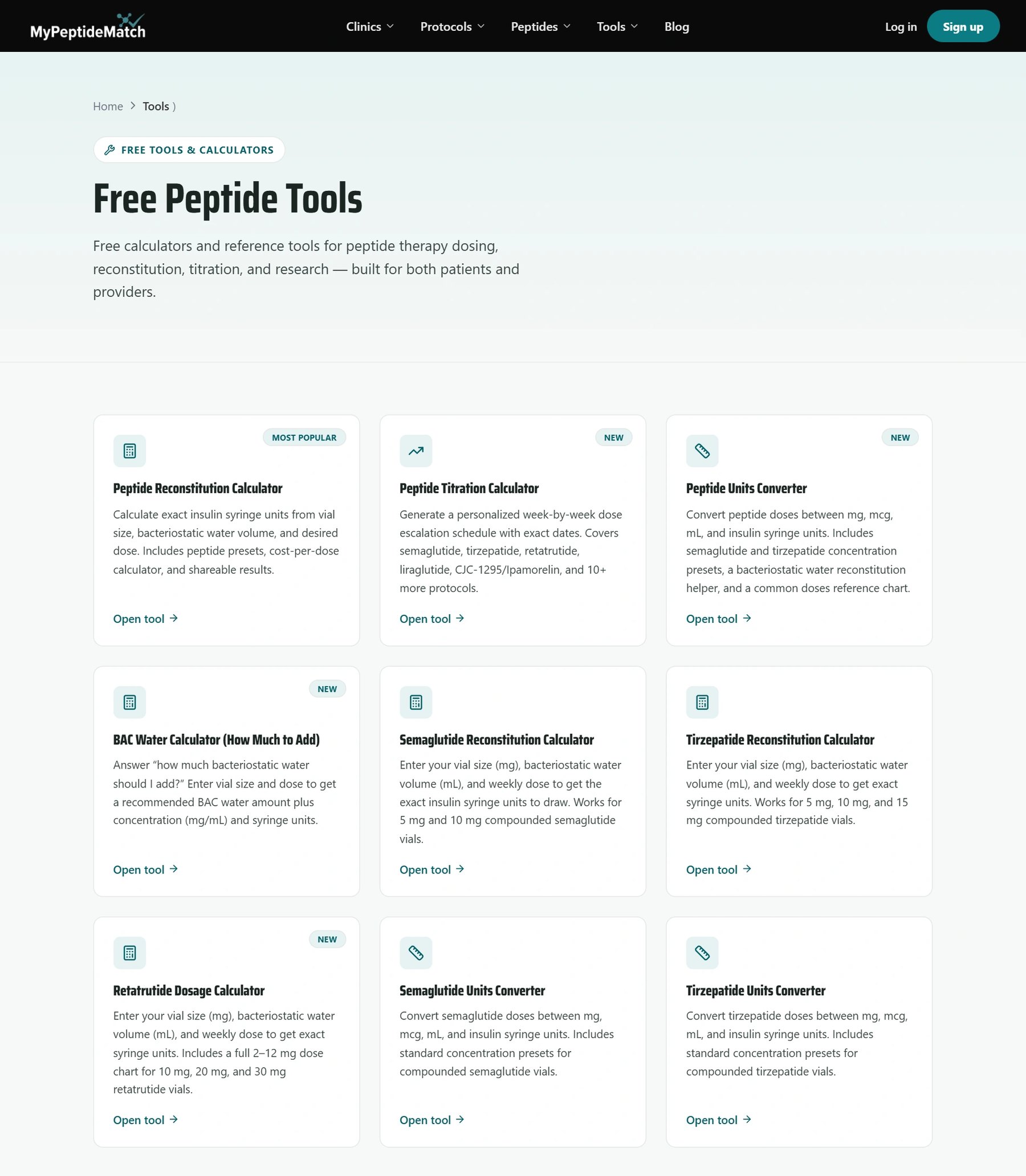
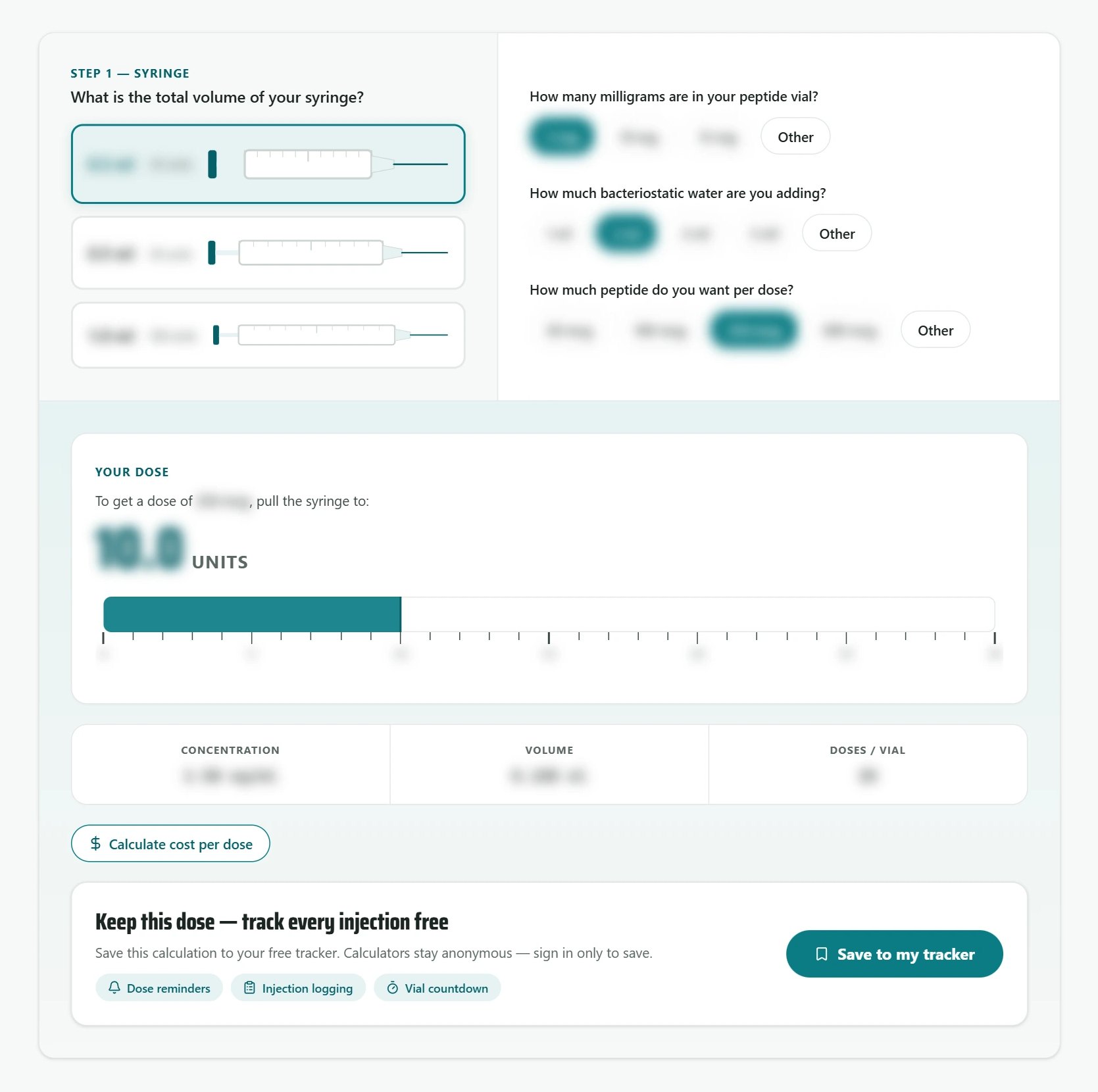
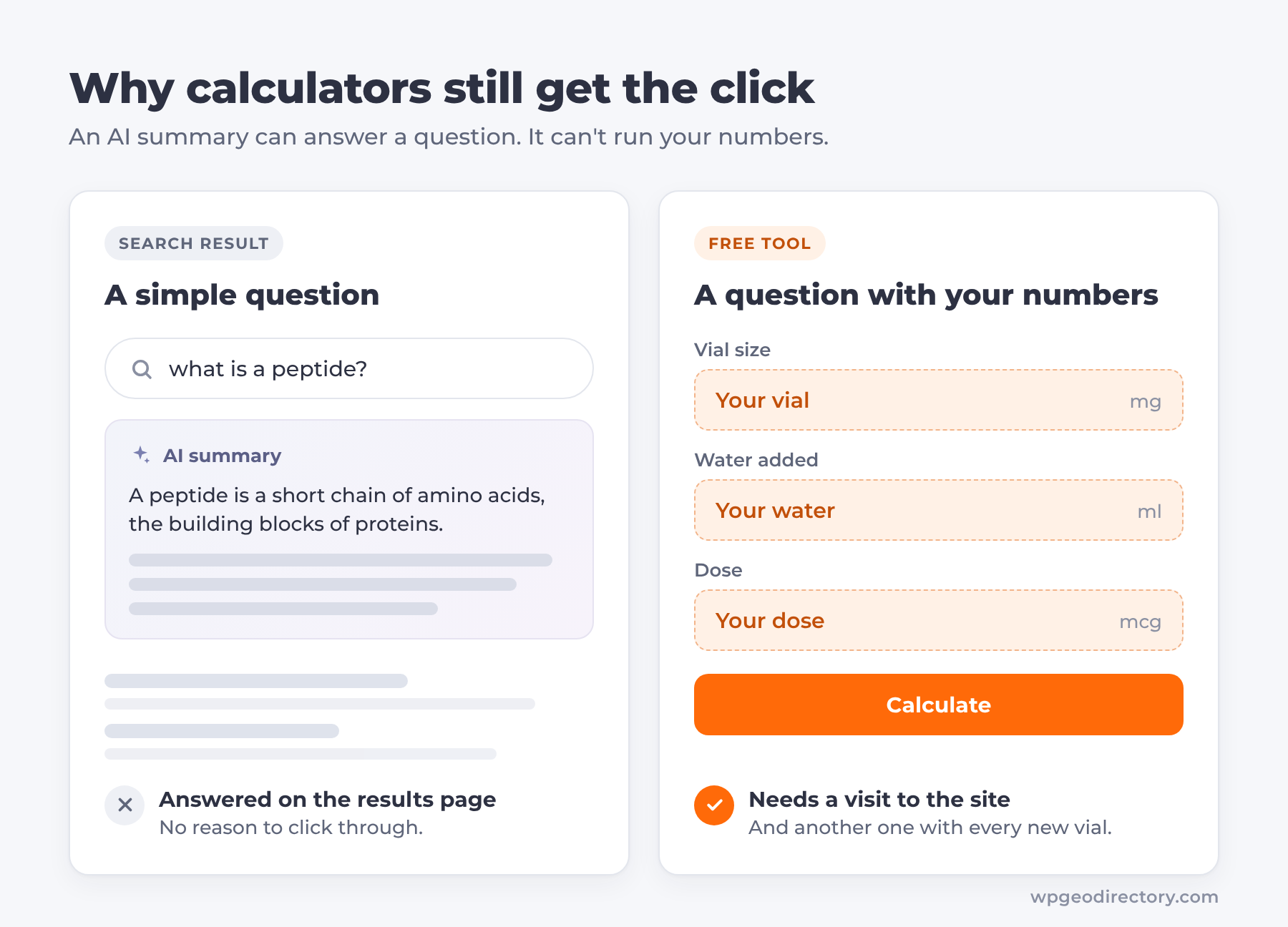
But much of the traffic goes to 9 free calculators and converters that help patients figure out how to prepare a dose.
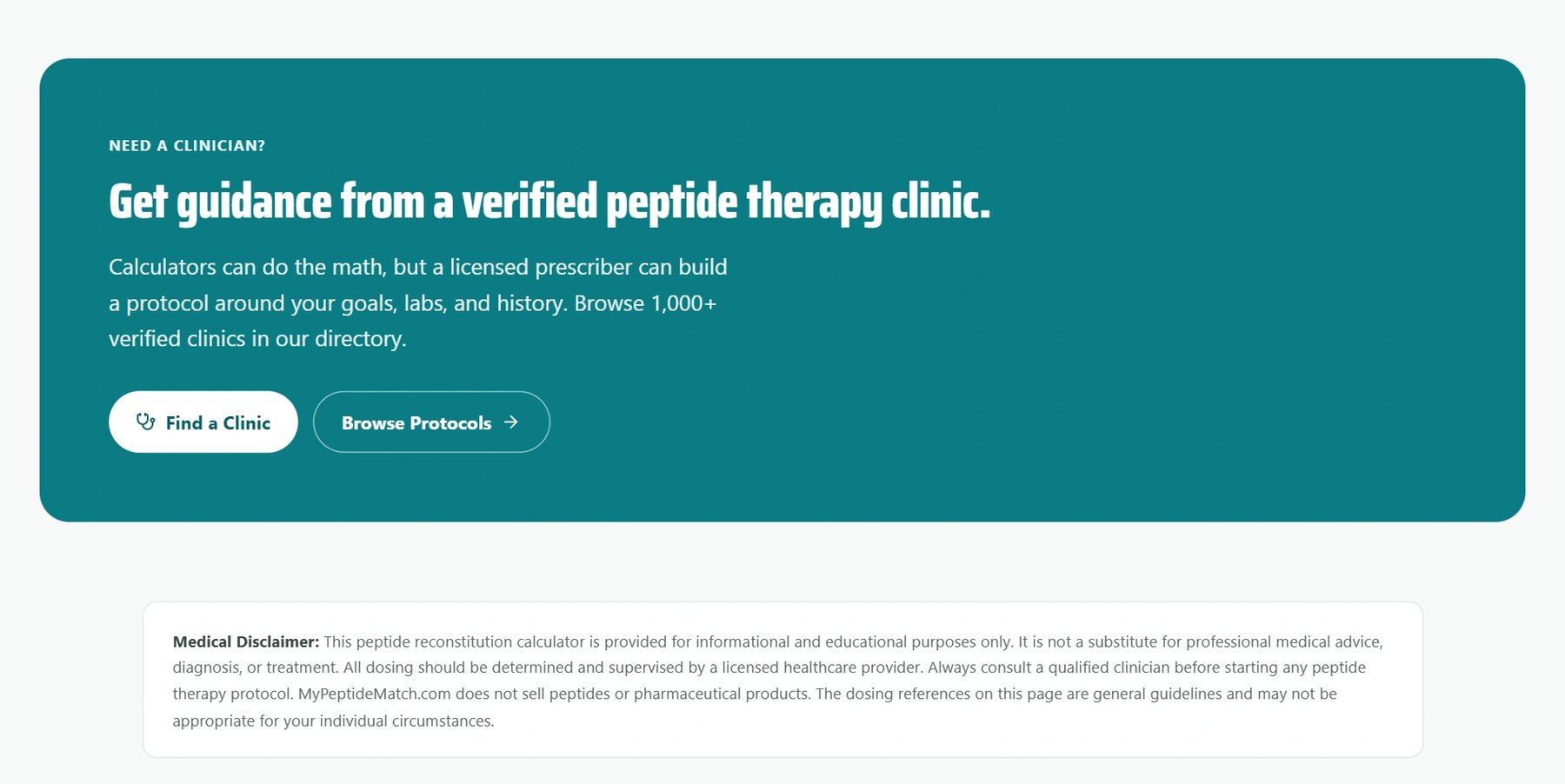
The most popular one ends with a “Find a Clinic” button.
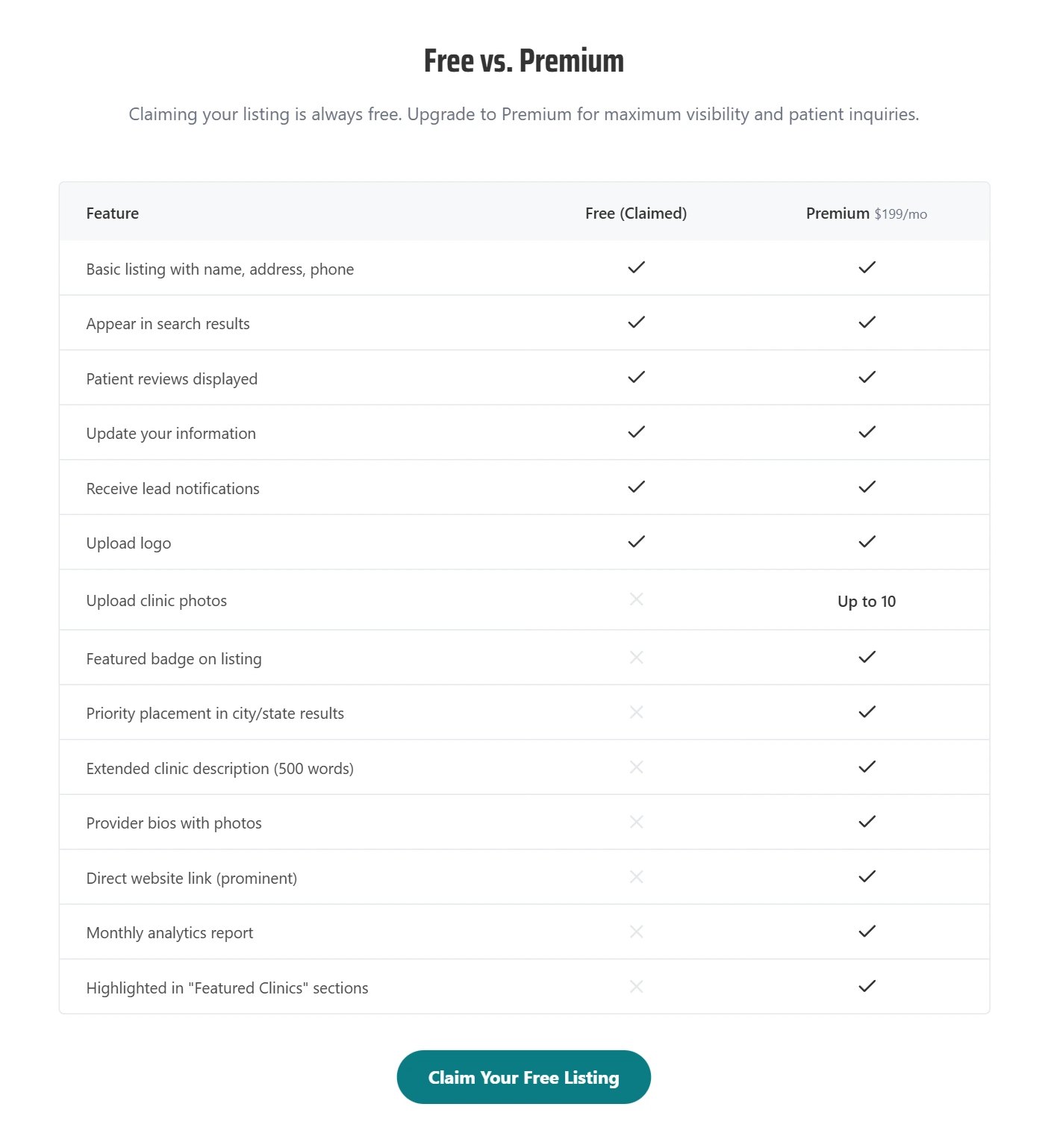
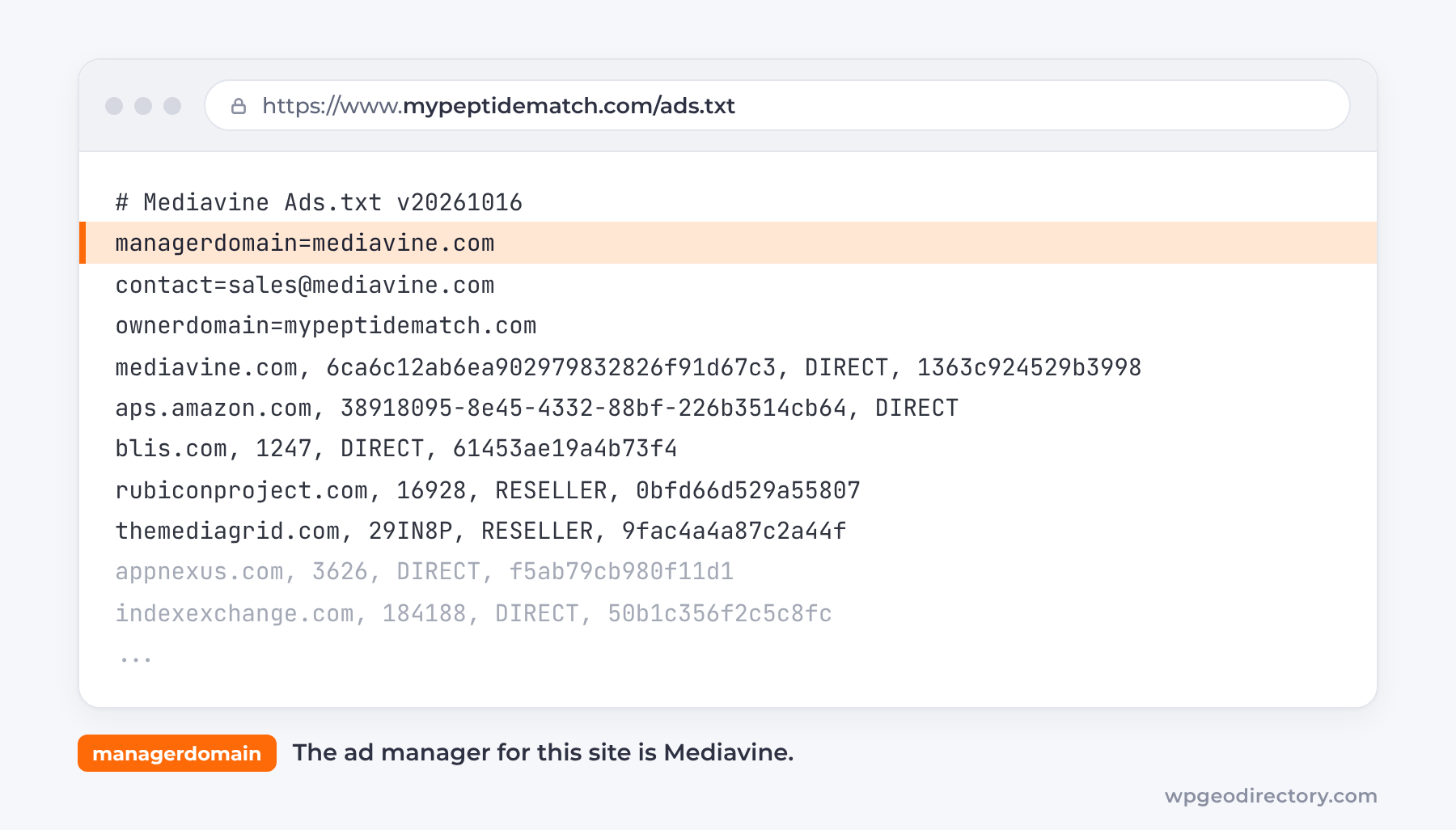
Clinics pay $199 a month to stand out in the directory, and Mediavine runs the ads.
Whoever built it decided to remain anonymous.
You can copy this in plenty of other niches: find a young market, use AI to build the tools people are searching for, and use a directory to monetize the traffic.
Below, I break down how the site works, how it makes money, its risks, and how to use it as a blueprint for your next directory.
How I checked these numbers
Everything in this case study falls into 1 of 3 buckets.
Verified
The domain registration date (February 18, 2026, from the public domain record), the 9 free tools, the $199/month Premium price, the Mediavine ads.txt file, and the revenue streams the site lists on its own affiliate disclosure page.
The 4,700+ clinic count is the site’s own figure.
Estimated
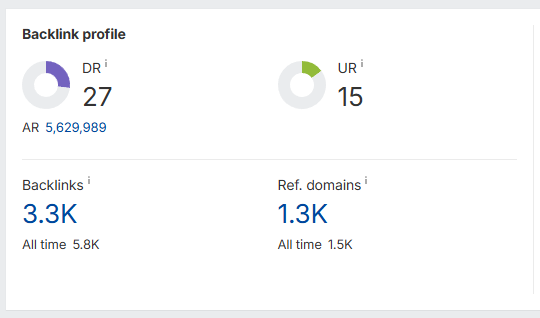
Organic traffic (almost 20,000 visits a month), total traffic (over 1,000 visits a day), Domain Rating (around 27), and which pages bring in the most visitors, all from Ahrefs.
These are third-party estimates, reliable for the trend and rough on the exact numbers.
Unknown
Revenue, profit, and who runs the site.
MyPeptideMatch doesn’t publish any of it, so this post doesn’t guess.
All figures checked October 2026.
What MyPeptideMatch is
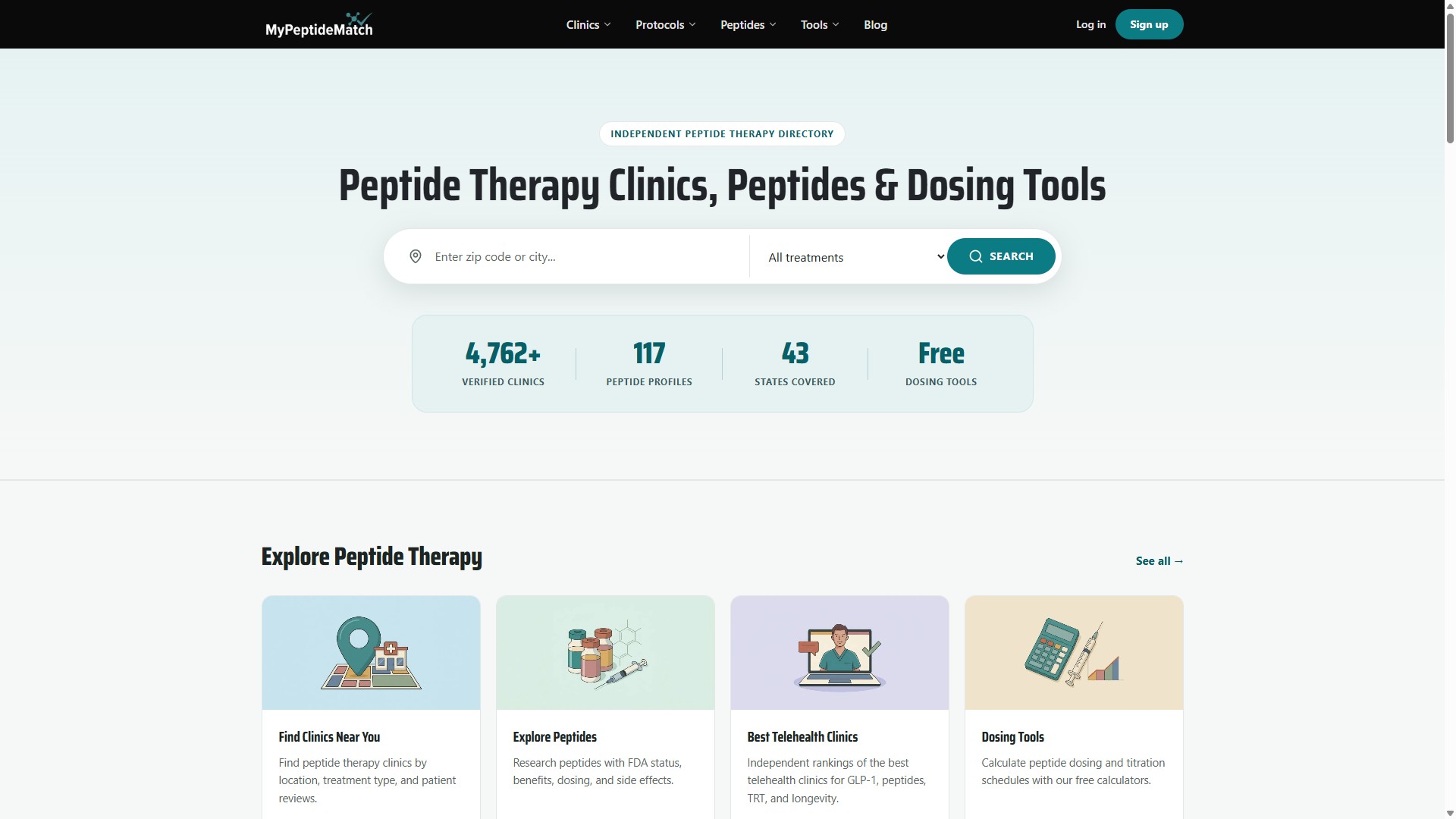
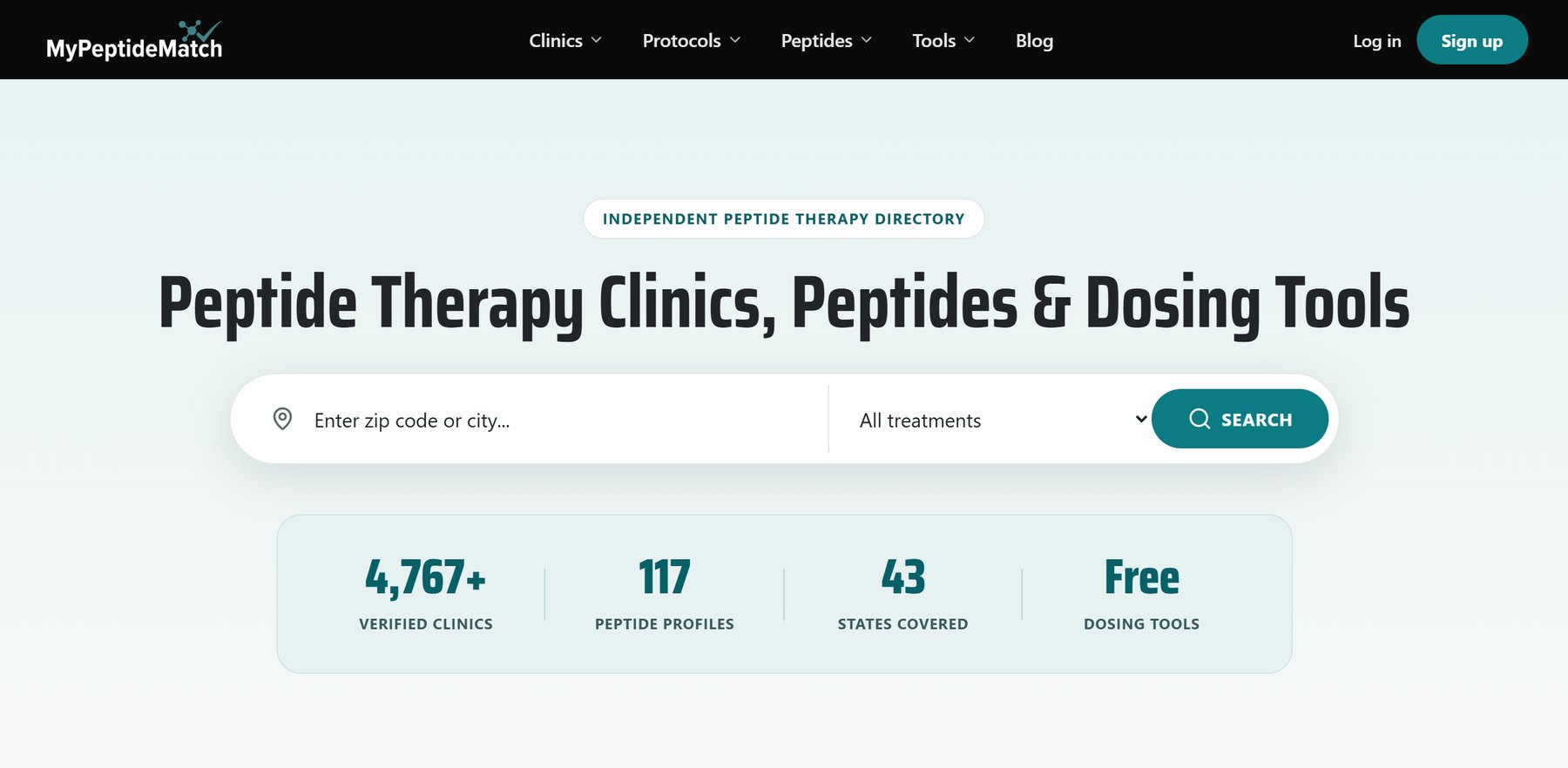
MyPeptideMatch calls itself an “Independent Peptide Therapy Directory.”
It helps people find clinics that offer peptide therapy, from GLP-1 weight-loss drugs like semaglutide to peptides marketed for recovery and anti-aging.
The MyPeptideMatch homepage, October 2026.
The directory works the way you’d expect.
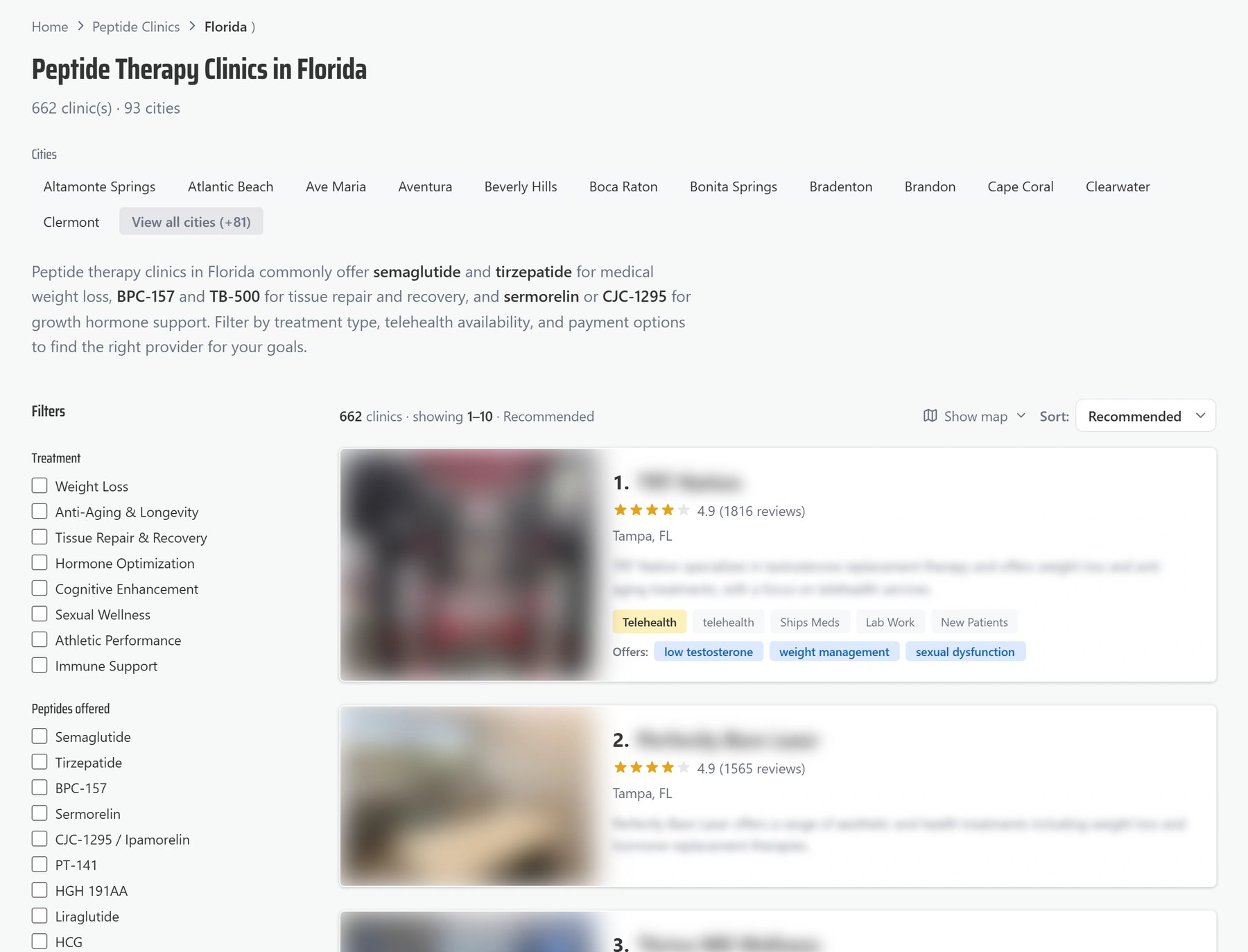
You search by zip code, filter by treatment, and browse clinics state by state, with pages for all 50 states plus DC.
The treatment filters cover 8 categories: weight loss, anti-aging and longevity, tissue repair, hormone optimization, cognitive enhancement, sexual wellness, athletic performance, and immune support.
According to the site, listings come from “public sources, partner data, and clinic submissions.”
Clinics can claim their listing for free.
A “Verified” badge means the clinic confirmed it owns the listing, through its email domain, a code sent to the listed email or phone, or a manual document check.
Clinic results by state. Clinic names blurred.
The site has also built a small content library around the directory: peptide profiles, treatment protocols, a comparison tool, a blog, a “Best Telehealth Clinics” ranking, and a 2026 industry report.
The site has no connection to GeoDirectory or AyeCode.
I picked it because the strategy is worth studying, regardless of what it runs on.
Why peptides make a good directory niche
Peptide therapy is a young market, and it’s growing fast.
Some of the best-known peptides are GLP-1 drugs like semaglutide and tirzepatide.
In a November 2025 KFF poll, about 1 in 8 US adults said they were currently taking one.
Clinics and telehealth providers have built whole businesses around those drugs, plus a longer list of peptides marketed for recovery, anti-aging, and performance.
The rules are still being written.
In July 2026, an FDA advisory committee voted 8 to 6 to recommend letting pharmacies compound BPC-157, one of the most popular peptides.
FDA’s own staff had recommended against it.
It’s only a recommendation.
FDA makes the final call.
In the meantime, patients have practical questions: which clinic, how much it costs, how to mix a vial.
The answers are scattered across clinic websites, forums, and Reddit threads.
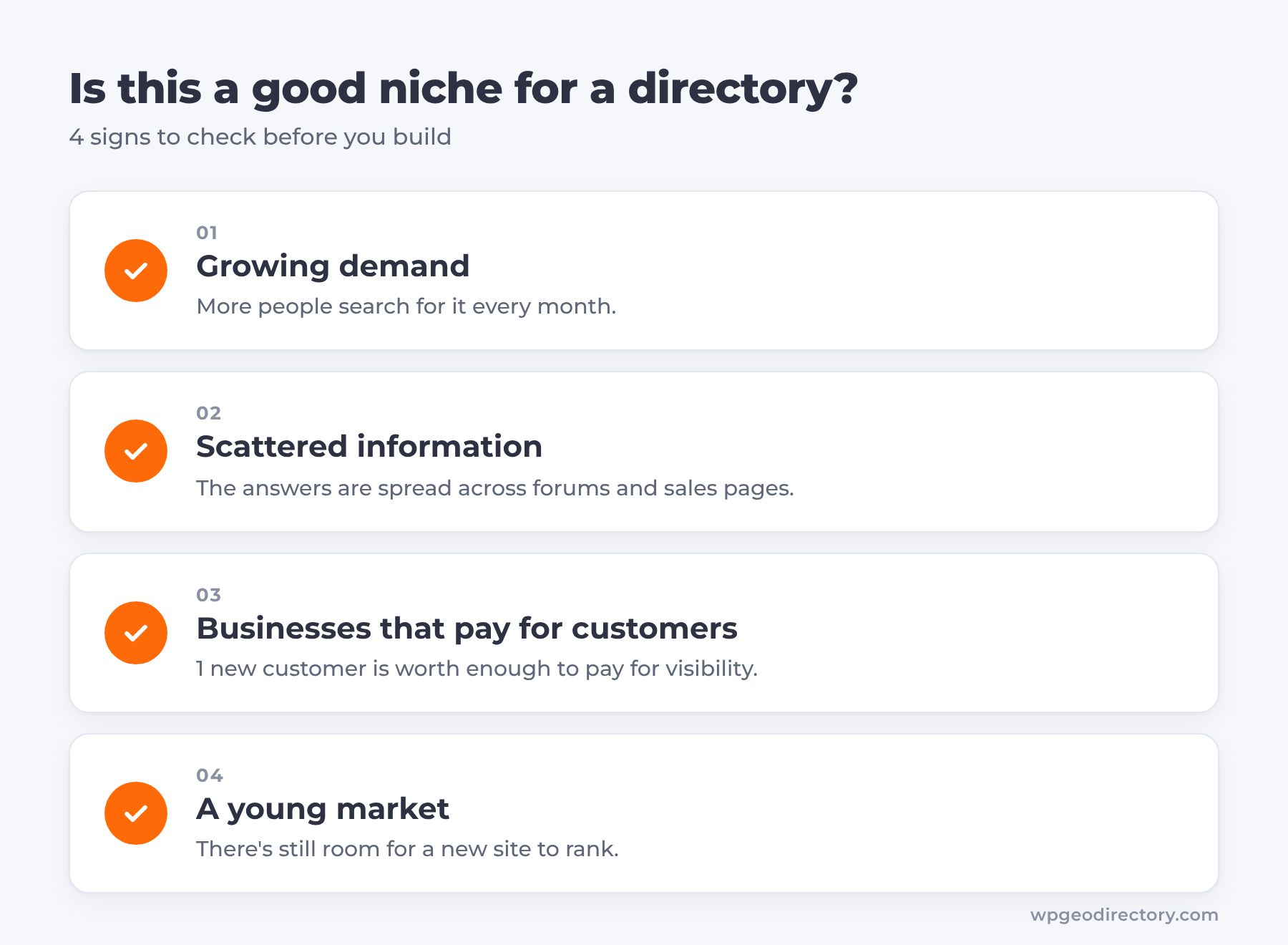
The 4 signs I look for in a directory niche.
That mix makes a niche good for a directory.
Here are the 4 signs I look for.
Demand is growing
With 1 in 8 adults on a GLP-1 drug, a lot of people are searching for clinics, prices, and answers.
The information is scattered
When answers are scattered across the internet, forums, social media threads, and clinic sales pages, a site that organizes them gets the click.
Businesses pay for customers
MyPeptideMatch’s own FAQ puts peptide therapy at $100 to $500+ a month.
When one patient is worth that much, a clinic can justify $199 a month to get seen.
The market is still young
It’s young enough that a site registered in February 2026 is getting an estimated 1,000+ visitors a day by October.
The traffic strategy: 9 free tools
Next to “Clinics” in the main menu, there’s a tab called “Tools.”
It’s an 8-month-old directory with 9 free calculators, an estimated 1,000+ visitors a day, and 4 ways to make money.
The lesson: find an emerging niche, use AI to build the tools people need, and turn that traffic into a directory business.
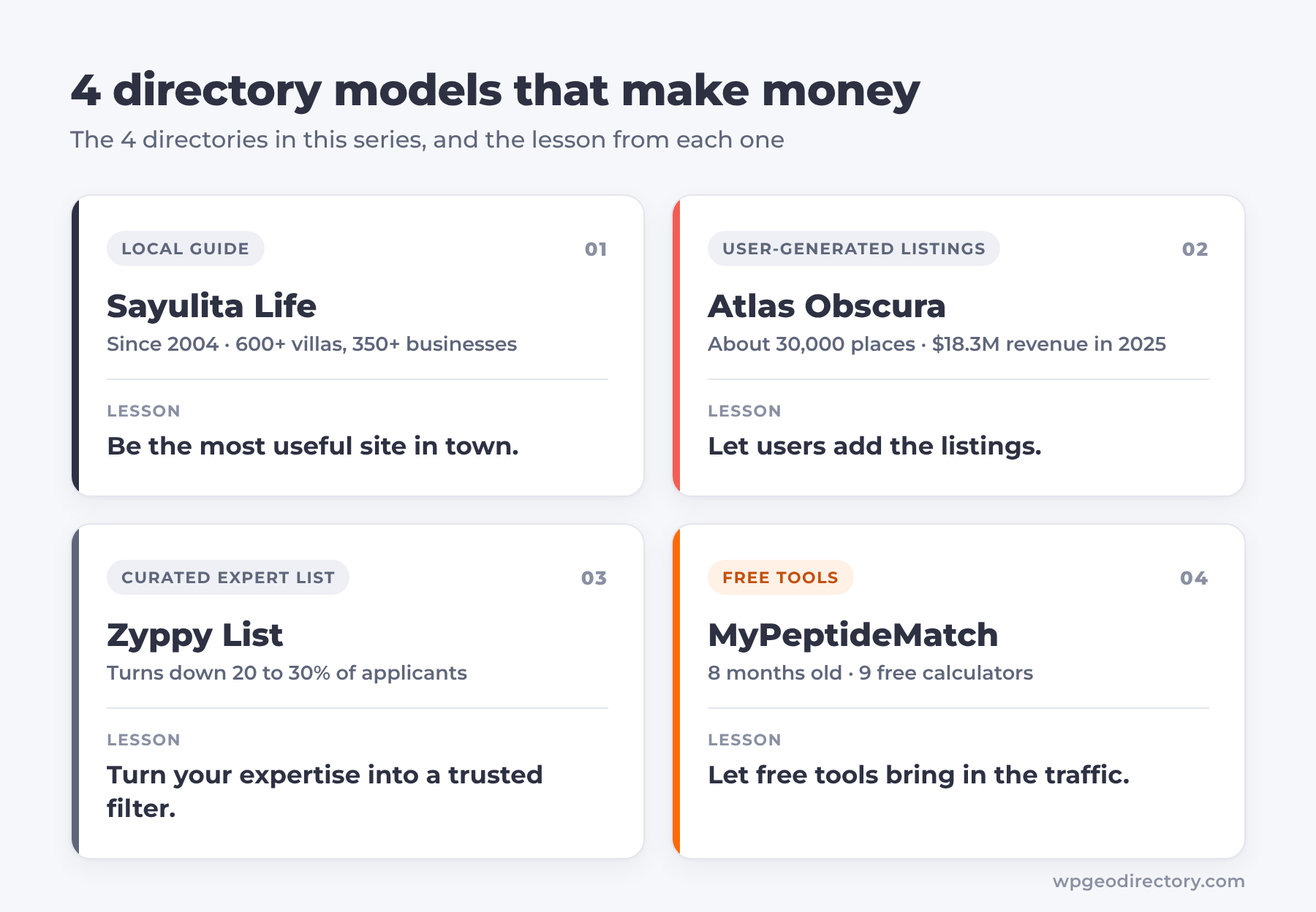
4 directories, 4 ways to make money.
What they have in common
Google’s AI can summarize an article in a second.
It has a much harder time replacing the guide a whole town uses, a community that keeps adding places, a filter you trust, or a tool that needs your own numbers.
Directories built on that kind of value are still making money, and new ones are still breaking through.
The playbook for your niche
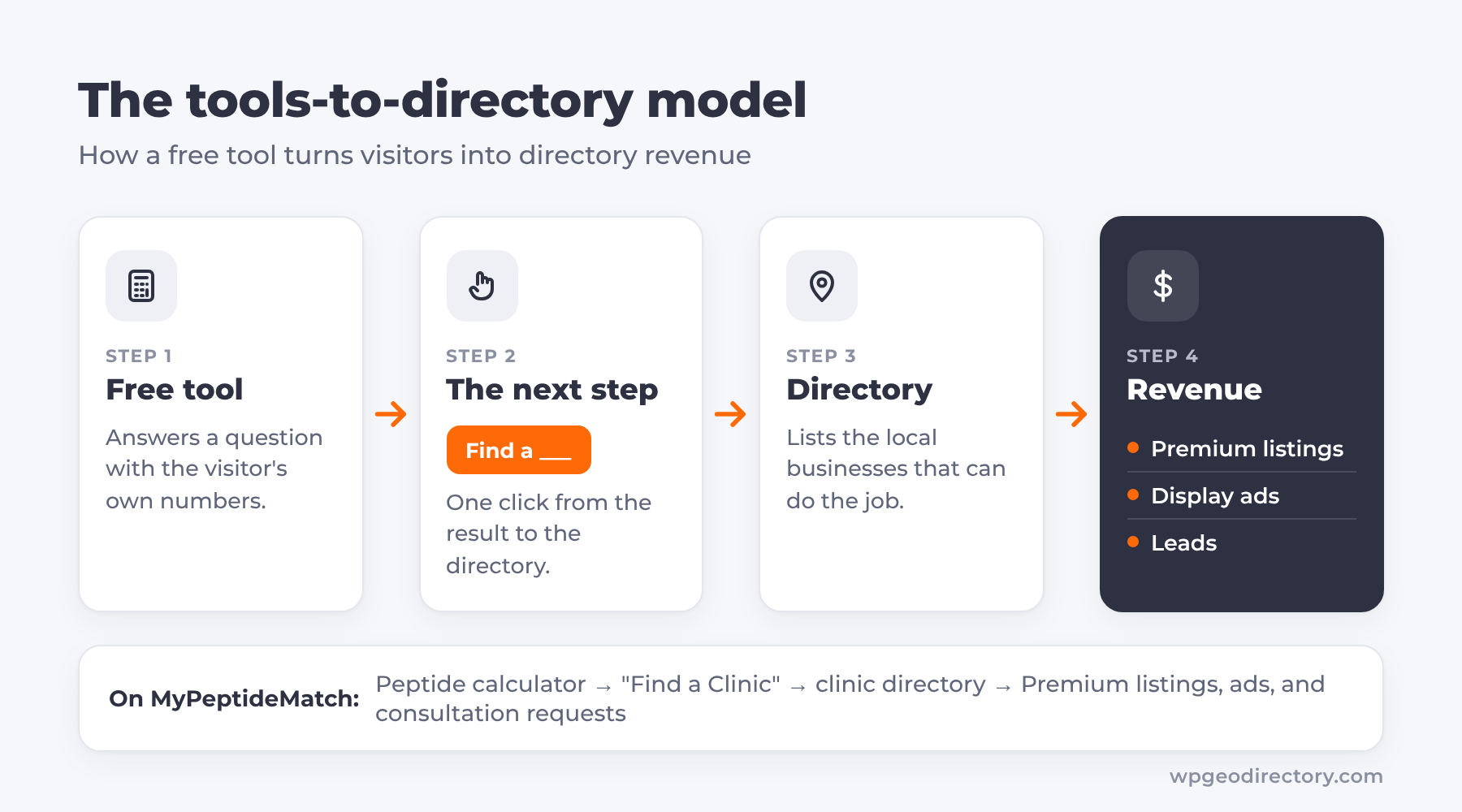
MyPeptideMatch’s model breaks down into 4-5 steps, and each one works outside peptides.
The MyPeptideMatch model in 1 picture.
Step 1: Find a growing niche with scattered information
Look for a market where demand is climbing, answers are spread across forums and sales pages, and businesses pay real money for new customers.
Good signs: a rising curve in Google Trends, Reddit threads full of the same questions, and lots of businesses advertising with few sites comparing them.
Step 2: Use AI to build the tools people need
Start with the questions that need the visitor’s own numbers.
How much will it cost me? How many do I need? How much will I save?
Each of those questions can become a calculator, converter, or estimator.
An AI coding assistant can build a working version in an afternoon.
Then build a full page around it, the way MyPeptideMatch does: a short walkthrough, a reference chart, and an FAQ.
Step 3: Let the tools bring in organic traffic
Name each tool page after the exact question people type, like MyPeptideMatch’s “How Many Units Is 1 mg?” page.
When one product or service gets a lot of searches on its own, give it its own version of the tool.
MyPeptideMatch built separate calculators for semaglutide and tirzepatide.
Expect a few quiet months.
MyPeptideMatch was registered in February, and its estimated organic traffic only started climbing after June.
Step 4: Put a directory behind every tool
End every tool with a clear next step: “Find a Clinic,” “Find an installer near you,” “See rental yards nearby.”
Someone who just ran the numbers is often 1 step away from hiring someone.
The directory gives them that step.
Step 5: Monetize with listings, ads, and referrals
Use free listings to fill the directory, and let businesses claim them.
Then sell premium visibility to those who want more.
Add display ads once the traffic is there, so every tool visit earns something.
Add referral fees and affiliate links next, where they fit the niche.
What it looks like in other niches
A solar installer directory with a savings estimator: roof size and power bill in, estimated savings out, then “Find an installer near you.”
An equipment rental directory with a sizing calculator: project details in, the right machine out, then the rental yards nearby.
A longevity clinic directory with a cost comparison tool: treatments in, typical monthly costs out, then clinics in your area.
It’s the same pattern every time.
The tool answers a question with the visitor’s own numbers, and the directory answers the next one: who can do this for me?
Get the latest news, tips, and exclusive content directly in your inbox.
Please Confirm your email address!
Thanks for joining :)
Published by Paolo
Paolo Tajani is co-founder and marketing lead at AyeCode Ltd, the company behind GeoDirectory, UsersWP, GetPaid, and Blockstrap. He started building with WordPress in 2008 and partnered with Stiofan O'Connor in 2011. Together they've created and marketed themes and plugins now active on over 100,000 websites. He also created wp-rankings.com, a free analytics site tracking every plugin in the WordPress.org repository.
A polyglot, Paolo speaks 4 languages: Italian (native), English, French, and Spanish. He reviews AyeCode's translated content in those languages himself, and supervises the native-speaker professionals who review the other languages.
View more posts
Loading...
Get the latest news, tips, and exclusive content directly in your inbox.
WooHoo!
Confirm your email address, and instantly receive the discount code :)
20% Discount Offer
Hurry! Get your 20% discount before it expires.
Get 20% Discount